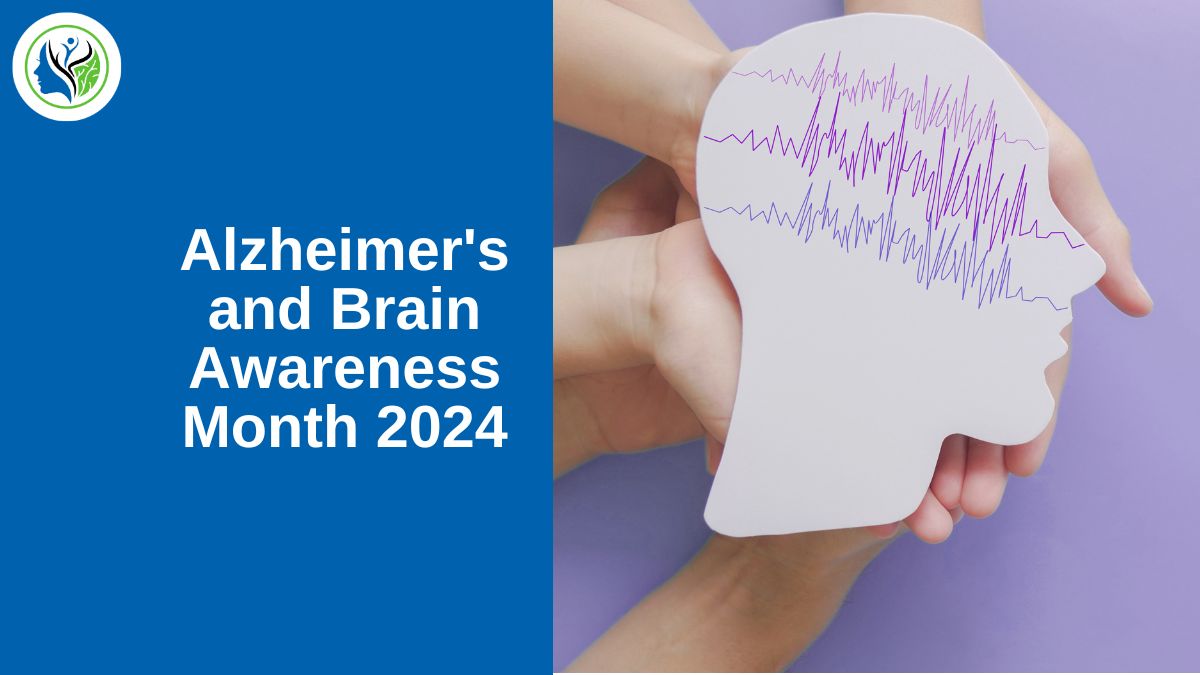
Dementia, a condition characterized by memory loss, cognitive decline, and behavioral changes, affects millions of individuals worldwide. As the global population continues to age, the prevalence of dementia is expected to rise significantly in the coming years.
While there are currently several treatment options available, they often provide limited relief and fail to address the underlying causes of the condition. However, in recent years, acupuncture has gained attention as a potential alternative therapy for dementia treatment.
So, what is acupuncture and whether is acupuncture as an alternative treatment therapy for dementia any effective? Find out after reading this article.
What is Acupuncture?
Acupuncture, an ancient practice rooted in traditional Chinese medicine, involves the insertion of thin needles into specific points on the body. This gentle stimulation is believed to modify the flow of energy, or qi, and restore balance within the body. Contrary to some misconceptions, acupuncture is not a mystical or pseudoscientific intervention. Its effects are increasingly recognized, and research has shed light on the potential benefits it may offer.

Studies have shown acupuncture’s effectiveness in managing chronic pain conditions like back pain, neck pain, osteoarthritis, headaches (including migraines), and even some forms of nerve pain. It likely works by influencing pain pathways in the nervous system. It also effectively reduces nausea and vomiting following surgery or chemotherapy, improving patient comfort and well-being. Further, the effectiveness of acupuncture has also been acknowledged by the National Institute of Health of the United States of America.
The Role of Acupuncture in Dementia
While the exact mechanisms underlying dementia are not yet fully understood, studies have explored the potential of acupuncture in improving cognitive function and managing the behavioral symptoms associated with the condition. Acupuncture is increasingly being utilised in clinical settings due to its demonstrated efficacy in enhancing cognitive function.
Research suggests that acupuncture may help enhance blood flow to the brain, regulate neurotransmitters, and stimulate the release of endorphins, which could lead to improved cognitive abilities and reduced emotional distress.
According to a research article published on Frontiers in Ageing Neuroscience, by regulating abnormal protein expression in the brain, the physiological and pathological state of microglia, mitochondrial autophagy, epigenetic modification, optimizing neuron protection, enhancing synaptic plasticity, regulating oxidative stress, and regulating energy metabolism, acupuncture can regulate the overall regulation of Alzheimer’s disease.
Another systematic review conducted by He et al. (2021), concluded that when Western medicine or alternative therapies are not suitable for the treatment of MCI and dementia, acupuncture may be considered. Additional robust evidence is required to further substantiate the efficacy of acupuncture.

Although the available research on acupuncture for dementia treatment is promising, it is important to approach the findings with caution. The majority of studies conducted so far have been small-scale and bear limitations, such as a lack of control groups or inconsistent methodologies. Additionally, the heterogeneity of dementia itself makes it challenging to draw definitive conclusions regarding the overall effectiveness of acupuncture.
Also Read: The Role of Palliative Care in Advanced Dementia
Mechanisms of Action
Several proposed mechanisms may explain how acupuncture could benefit individuals with dementia. Firstly, acupuncture may promote neuroprotection by reducing oxidative stress and inflammation in the brain. Secondly, it may enhance the release of neurotransmitters, such as dopamine and serotonin, which are involved in mood regulation and cognitive processes. Moreover, acupuncture has been shown to stimulate the activation of brain regions associated with memory and cognition, potentially contributing to improvements in cognitive function.

Clinical Evidence and Case Studies
Although limited in number, clinical trials investigating acupuncture’s role in dementia treatment have shown promising results. For instance, a recent study published in the Europen Journal of Integrative Medicine acupuncture may be beneficial in treating dementia for four to twenty-four weeks in terms of efficacy, cognitive function, and activities of daily living.
Additionally, case studies have reported positive outcomes, including reduced agitation and improved overall well-being, in patients receiving acupuncture as part of their dementia care plan.

It is important to acknowledge that individual responses to acupuncture can vary significantly. Factors such as the severity and type of dementia, the stage of the disease, and the overall health of the patient may influence the outcomes. Therefore, it is crucial to consider acupuncture as a potential complementary therapy in consultation with healthcare professionals and to discuss any concerns or questions.
Considerations and Precautions
As with any medical intervention, safety is a paramount concern. Acupuncture, while generally safe, can come with some mild, temporary side effects. The most common are discomforts at the needle insertion points, like pain, bleeding, or bruising. You might also experience dizziness, nausea, or fatigue. These are usually fleeting and manageable. Rare, but more serious, side effects include infections, organ punctures, or allergic reactions. Choosing a qualified practitioner and discussing any concerns with your doctor or acupuncturist beforehand can help minimize risks.
However, individuals with bleeding disorders or those taking blood-thinning medication should exercise caution and inform their healthcare provider before undergoing acupuncture.
It is important to note that acupuncture, while potentially beneficial, is not a standalone treatment for dementia. It should be viewed as part of a comprehensive, integrated approach that includes conventional therapies, lifestyle modifications, and supportive care. Healthcare providers and caregivers play a crucial role in understanding and facilitating the integration of acupuncture into dementia care plans to ensure the best possible outcomes for patients.

Conclusion
The exploration of acupuncture as an alternative therapy for dementia treatment offers hope for individuals affected by this challenging condition. While the current research is encouraging, further studies are needed to better understand the mechanisms of action, clarify the specific benefits, and establish standardized treatment protocols. In the meantime, individuals and healthcare professionals should approach acupuncture as a potential complementary therapy, considering individual circumstances and consulting with experts. By unlocking the potential of acupuncture and incorporating it into dementia care, we may be able to enhance the well-being and quality of life for those living with dementia.