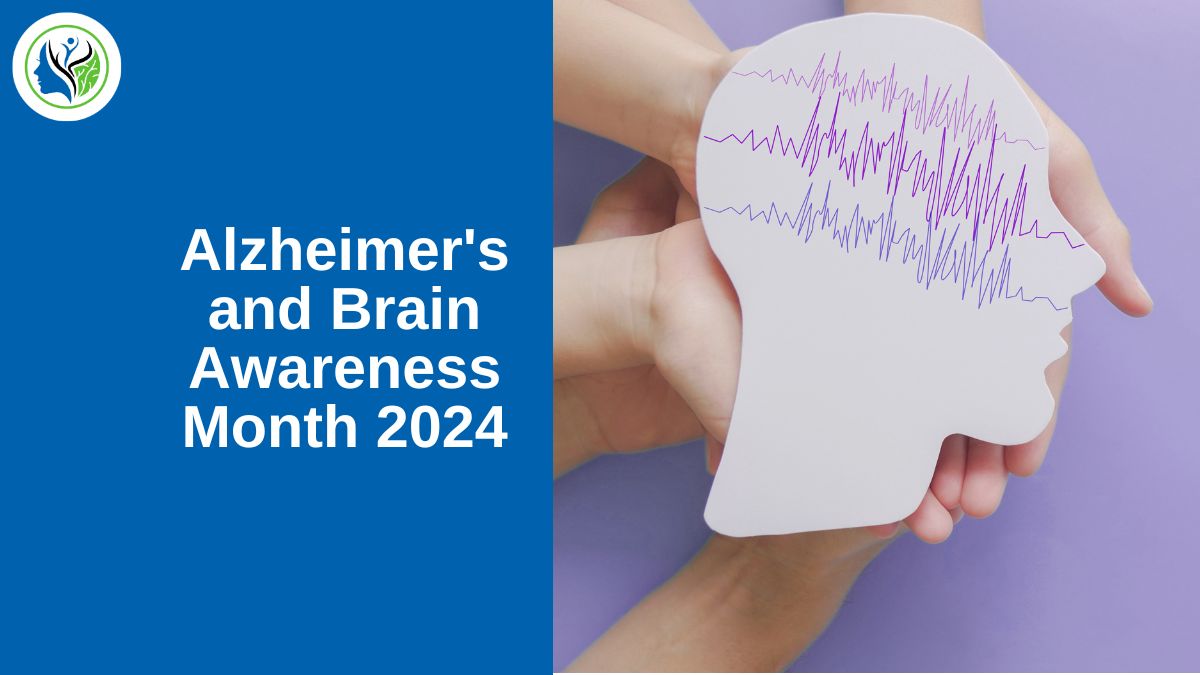
Dementia is a cruel thief of memories, identities, and relationships. It slowly erodes the person you know and love, leaving behind a shell of their former self. Yet, underneath the surface of dementia, there is still a person there, someone who still loves and cherishes you.
Thanksgiving Day is a time for gratitude, for reflecting on the things we are thankful for. It is also a time for family and togetherness. For those with loved ones with dementia, Thanksgiving can be a difficult time. The person you know and love may no longer be the same, and the traditional Thanksgiving activities may no longer be possible.
It is essential to create a dementia-friendly environment that promotes inclusivity and ensures everyone can participate and enjoy the celebration.
By implementing the tips and creative ideas, we can craft a Thanksgiving gathering that will make lasting memories for everyone involved.
What’s Dementia?
Dementia is a complex neurological condition that affects millions of individuals worldwide. It can manifest in various forms, such as Alzheimer’s disease, vascular dementia, or Lewy body dementia. Symptoms often include memory loss, confusion, disorientation, and challenges in communication and reasoning. When planning a dementia-friendly celebration, it is crucial to recognize and empathize with these difficulties.

To create an inclusive environment, it is important to embrace patience and understanding. Individuals with dementia may struggle with unfamiliar environments or changes to their routines, so maintaining familiarity can help them feel more comfortable. Additionally, it is vital to be aware of potential challenges that may arise during the celebration.
Some Useful Tips for Dementia-Friendly Thanksgiving Celebration
Preparing the Environment
Creating a welcoming and comfortable space is key to supporting individuals with dementia. Familiarity is essential in reducing anxiety and confusion. Sticking to traditional settings and routines can significantly contribute to their well-being.
When selecting the décor, opt for simplicity. Minimize excessive visual stimuli that may overwhelm individuals with dementia. Avoid clutter and decorations that may cause confusion or pose a safety risk, such as breakable items. Instead, consider using visual cues and prominent signage to help individuals navigate the space with ease.

Ensuring the safety of your guests is paramount in a dementia-friendly Thanksgiving celebration. Remove potential hazards like loose rugs or furniture obstacles that may increase the risk of falls. Adequate lighting is also crucial to preventing disorientation and accidents, so make sure the space is well-lit.
Sensory-Friendly Considerations
Sensory-friendly adjustments can significantly enhance the well-being of individuals with dementia during Thanksgiving celebrations. These adjustments aim to minimize potential stressors and create a calming atmosphere.
Introducing familiar scents associated with Thanksgiving, such as spices or baked goods, can evoke positive memories and promote a sense of comfort. Soft background music or nature sounds can also contribute to a soothing environment. It is important to select music that won’t overpower conversations and that is enjoyable for all guests.

Offering tactile activities or objects can be beneficial for individuals with dementia, providing them with a form of engagement and sensory stimulation. Simple activities such as providing textured objects or offering opportunities for gentle hand massages can enhance their experience.
When planning seating arrangements, consider placing individuals with dementia alongside guests who are familiar and understanding. This can encourage social interaction and help them feel more at ease, minimizing any feelings of isolation or confusion.
Planning the Menu
The Thanksgiving meal is often the centerpiece of the celebration. To accommodate individuals with dementia, it is important to consider their dietary restrictions and preferences while also making the meal visually appealing and manageable.
Offer a variety of familiar dishes that align with each guest’s dietary needs. Communicate with family members or caregivers to ensure you have an accurate understanding of any dietary restrictions. Simplify the presentation of the meal to aid in recognition. Consider using colorful and contrasting plates, as well as serving utensils that are easy to handle for individuals with limited dexterity.
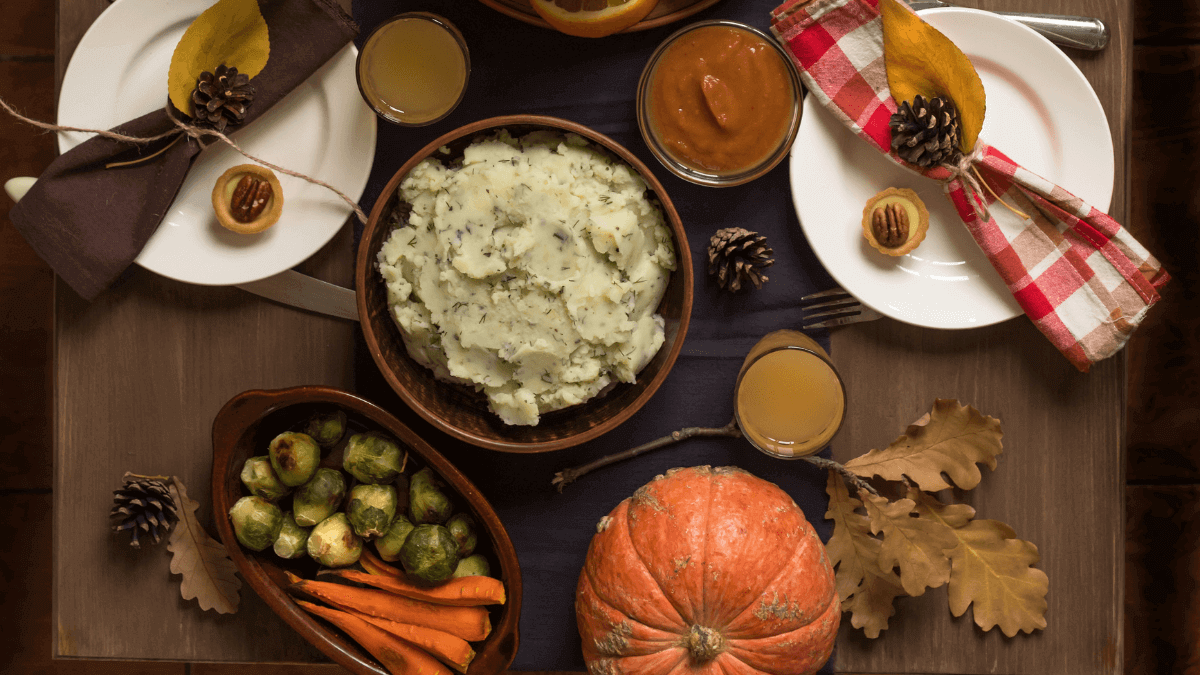
For those who have difficulties with swallowing or require softer food textures, provide alternative meal options. These may include pureed or mashed versions of traditional dishes, ensuring they can enjoy Thanksgiving flavors without compromising their safety or comfort.
Engaging Activities
Engaging activities can foster a sense of belonging and joy during a dementia-friendly Thanksgiving celebration. Plan activities that are suitable for individuals with various cognitive abilities and encourage participation from everyone.
Reminiscing activities can evoke memories and create meaningful connections. Encourage guests to share family photos, videos, or stories, sparking conversations that resonate with all participants. Nostalgia can be a powerful tool for stimulating memories and fostering a sense of belonging.

Physical exercises or gentle games can promote physical well-being and engagement. Simple activities like tossing a soft ball or participating in chair exercises can be enjoyed by individuals at different cognitive levels. The focus should be on inclusion and enjoyment rather than competition or complexity.
Incorporate creative outlets, such as crafts or music, that stimulate cognitive functions and encourage social interaction. Art therapy or playing familiar songs can be therapeutic and evoke positive emotions. These activities can serve as a medium for self-expression and provide an opportunity for individuals to connect with one another.
Conclusion
Creating a dementia-friendly Thanksgiving celebration requires thoughtful planning and consideration. By understanding dementia, preparing a welcoming environment, organizing sensory-friendly details, and providing suitable activities, you can ensure that everyone, including individuals with dementia, can feel valued and included. The goal is to make lasting memories and foster a sense of togetherness during this special time of gratitude and appreciation.
Remember, each individual with dementia is unique, and personalizing your approach based on their specific needs and preferences is key. With the right preparation and a commitment to empathy, you can make this Thanksgiving a cherished occasion for everyone involved.